Get back to normal with
the 3-step method that
ended my DPDR in 60 days.
Still feeling strange and terrified after all the recovery advice?
Let's break the Stuck Pattern™ keeping your symptoms going.
Follow a simple 3-step process and get your life back.

I read over 100 scientific papers so you don’t have to.
The advice on Reddit and YouTube didn't help me.
So I spent 15 months studying DPDR and built a
3-step recovery method based on latest research.
A Systematic Review
papers
I tried it all — but nothing worked
Because none of it was built to break DPDR.
- Keto
- Grounding
- Sound frequencies
- Mindfulness
- Therapy
- Supplements
After eight months of suffering I finally found the answer.
Not on Reddit. Not on YouTube.
It was buried in research papers.
DPDR isn’t just anxiety. It isn’t just stress.
It’s a self‑sustaining loop.
Most DPDR advice manages the symptoms — it doesn’t break the loop.
Once you understand the Stuck Pattern™
recovery becomes simple.
DPDR symptoms feel strange, so your nervous
system starts treating them as danger.
This shifts your body into battle-ready mode
and pushes you to check, analyze, and worry.
These reactions feel necessary but they also
the same things that triggered DPDR in the first place.
The Recovery Roadmap.
The 3-step method designed to help you get back to normal.
Understand
Know what causes symptoms, why DPDR stays stuck and how to recover.
Calm the storm
Break free from the check-analyze-fear loop.
Reconnect
Feel connected again with work,
school, relationships and hobbies.
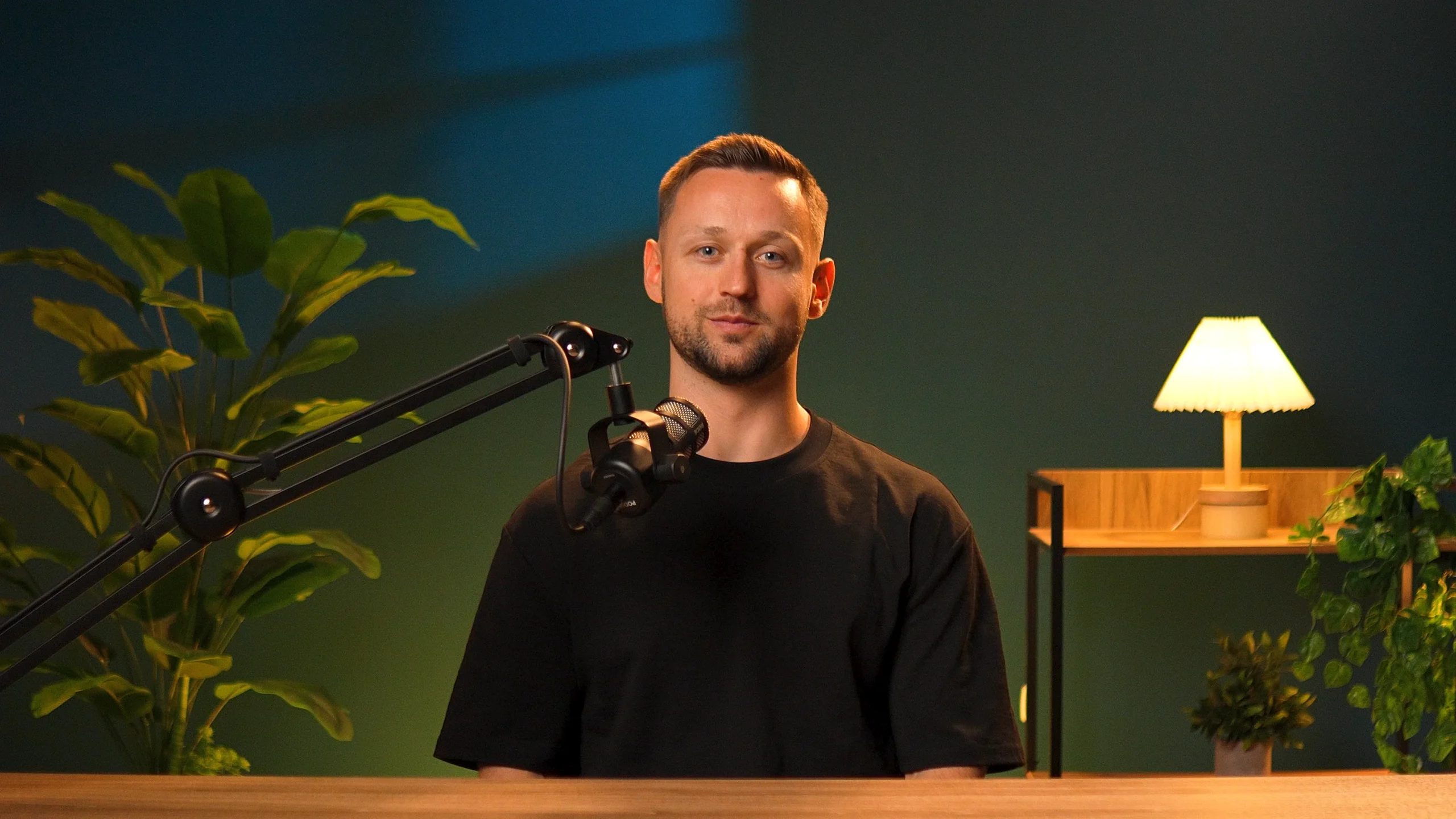
Is this DPDR recovery program right for you?
Stop losing more of your
life to DPDR.
I lost eight months of my life to DPDR.
I dropped out of university and was terrified I might never feel normal again.
But I wasn’t sitting around doing nothing. I was watching YouTube videos, reading Reddit recovery stories and Googling cures.
It felt like I was working towards recovery.
But weeks turned into months, and I was still feeling strange and terrified.
What finally led to my recovery wasn’t another isolated recovery tip.
It was changing the reactions that were feeding the Stuck Pattern™.
You don’t need another hundred recovery videos.
Follow a simple method that was actually designed to stop DPDR.
Frequently asked
questions.
This program is for people with depersonalization and derealization who want more than recognition, reassurance, or symptom tips.
If you feel stuck in a state that has become confusing, consuming, and hard to reverse — and you want a clearer recovery process — this was built for you.
You get immediate digital access after purchase.
The Recovery Manual and Crash Course Video are available through the program access area, so everything is in one place.
No.
This is not therapy, diagnosis, or medical treatment. It is an educational recovery program designed to help you understand DPDR more clearly and approach recovery in a more structured way.
Yes.
Different triggers can lead into the same self-reinforcing loop. This program is built around the processes that keep DPDR active after the trigger, which is why the framework can still be relevant across different starting points.
No.
My experience with DPDR is part of why I understand the condition, but the program is not built around my story. It is a structured framework built from DPDR-specific research, psychology, and lived understanding.
That is exactly where many people get stuck.
Understanding DPDR is not the same as changing the patterns that keep it active. This program is designed to turn explanation into practical tools you can actually use.
You get private access to the Recovery Roadmap member area.
Inside, you’ll find the Recovery Crash Course, 14+ practical guides to help you understand and break the patterns that keep DPDR stuck, and 10+ tools to help you apply the framework in daily life and move through recovery step by step.
Most DPDR advice helps people recognize the experience. Much less of it explains what keeps it going.
This program is built around the maintenance loop that often keeps DPDR chronic, so the focus is not just on symptoms or reassurance, but on what needs to change for recovery.
Get back to normal with the 3-step method that ended my DPDR in 60 days.
Still feeling strange and terrified after all the recovery advice? Let's break the Stuck Pattern™ keeping your symptoms going. Follow a simple 3-step process and get your life back.
I read over 100 scientific papers so you don’t have to.
The advice on Reddit and YouTube didn't help me.
So I spent 15 months studying DPDR and built a
3-step recovery method based on latest research.
papers
I tried it all — but nothing worked
Because none of it was built to break DPDR.
After eight months of suffering
I finally found the answer.
Not on Reddit. Not on YouTube.
It was buried in research papers.
DPDR isn’t just anxiety. It isn’t just stress.
It’s a self‑sustaining loop.
Most DPDR advice manages the symptoms — it doesn’t break the loop.
Once you understand the Stuck Pattern™, recovery becomes simple.
DPDR symptoms feel strange, so your nervous system starts treating them as danger.
This shifts your body into battle-ready mode and pushes you to check, analyze, and worry.
These reactions feel necessary but they also create a trap.
the same things that triggered DPDR
in the first place.
That’s the Stuck Pattern™.
The way out isn’t trying harder — it’s doing less of what’s keeping you stuck.
The Recovery Roadmap guides you through
a simple 3-step process to break the Stuck Pattern™.
The Recovery Roadmap.
The 3-step method designed to help you get back to normal.
Is this DPDR
recovery program right for you?
Stop losing more of
your life to DPDR.
I lost eight months of my life to DPDR.
I dropped out of university and was terrified I might never feel normal again.
But I wasn’t sitting around doing nothing. I was watching YouTube videos, reading Reddit recovery stories and Googling cures.
It felt like I was working towards recovery.
But weeks turned into months, and I was still feeling strange and terrified.
What finally led to my recovery wasn’t another isolated recovery tip. It was changing the reactions that were feeding the Stuck Pattern™.
You don’t need another hundred recovery videos.
Follow a simple method that was actually designed to stop DPDR.
Frequently asked questions.
This program is for people with depersonalization and derealization who want more than recognition, reassurance, or symptom tips.
If you feel stuck in a state that has become confusing, consuming, and hard to reverse — and you want a clearer recovery process — this was built for you.
You get immediate digital access after purchase.
The Recovery Manual and Crash Course Video are available through the program access area, so everything is in one place.
No.
This is not therapy, diagnosis, or medical treatment. It is an educational recovery program designed to help you understand DPDR more clearly and approach recovery in a more structured way.
Yes.
Different triggers can lead into the same self-reinforcing loop. This program is built around the processes that keep DPDR active after the trigger, which is why the framework can still be relevant across different starting points.
No.
My experience with DPDR is part of why I understand the condition, but the program is not built around my story. It is a structured framework built from DPDR-specific research, psychology, and lived understanding.
That is exactly where many people get stuck.
Understanding DPDR is not the same as changing the patterns that keep it active. This program is designed to turn explanation into practical tools you can actually use.
You get private access to the Recovery Roadmap member area.
Inside, you’ll find the Recovery Crash Course, 14+ practical guides to help you understand and break the patterns that keep DPDR stuck, and 10+ tools to help you apply the framework in daily life and move through recovery step by step.
Most DPDR advice helps people recognize the experience. Much less of it explains what keeps it going.
This program is built around the maintenance loop that often keeps DPDR chronic, so the focus is not just on symptoms or reassurance, but on what needs to change for recovery.